
Bhutan's Most Visited Destination
– Where Excellence Meets Adventure
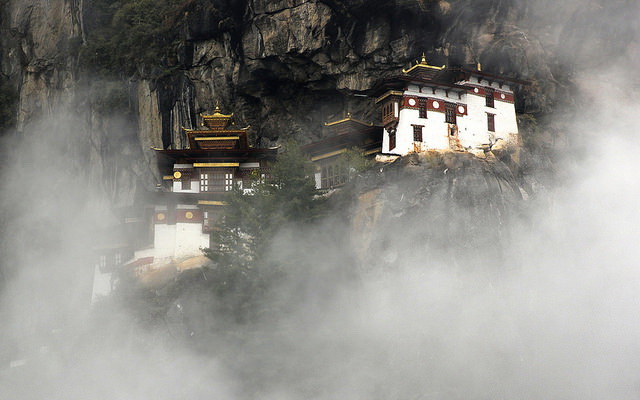
Paro Bhutan
Paro is one of Bhutan’s most captivating valleys, rich in history, culture, and natural beauty. It is home to the world-famous Taktsang Monastery, or Tiger’s Nest, perched dramatically on a cliffside, offering breathtaking views and spiritual significance. The valley is dotted with ancient temples, traditional farmhouses, and the impressive Rinpung Dzong, which serves as both a fortress and a monastery. Paro also hosts the country’s only international airport, making it the entry point for many visitors. The combination of serene landscapes, sacred sites, and vibrant festivals makes Paro an unforgettable introduction to Bhutan.
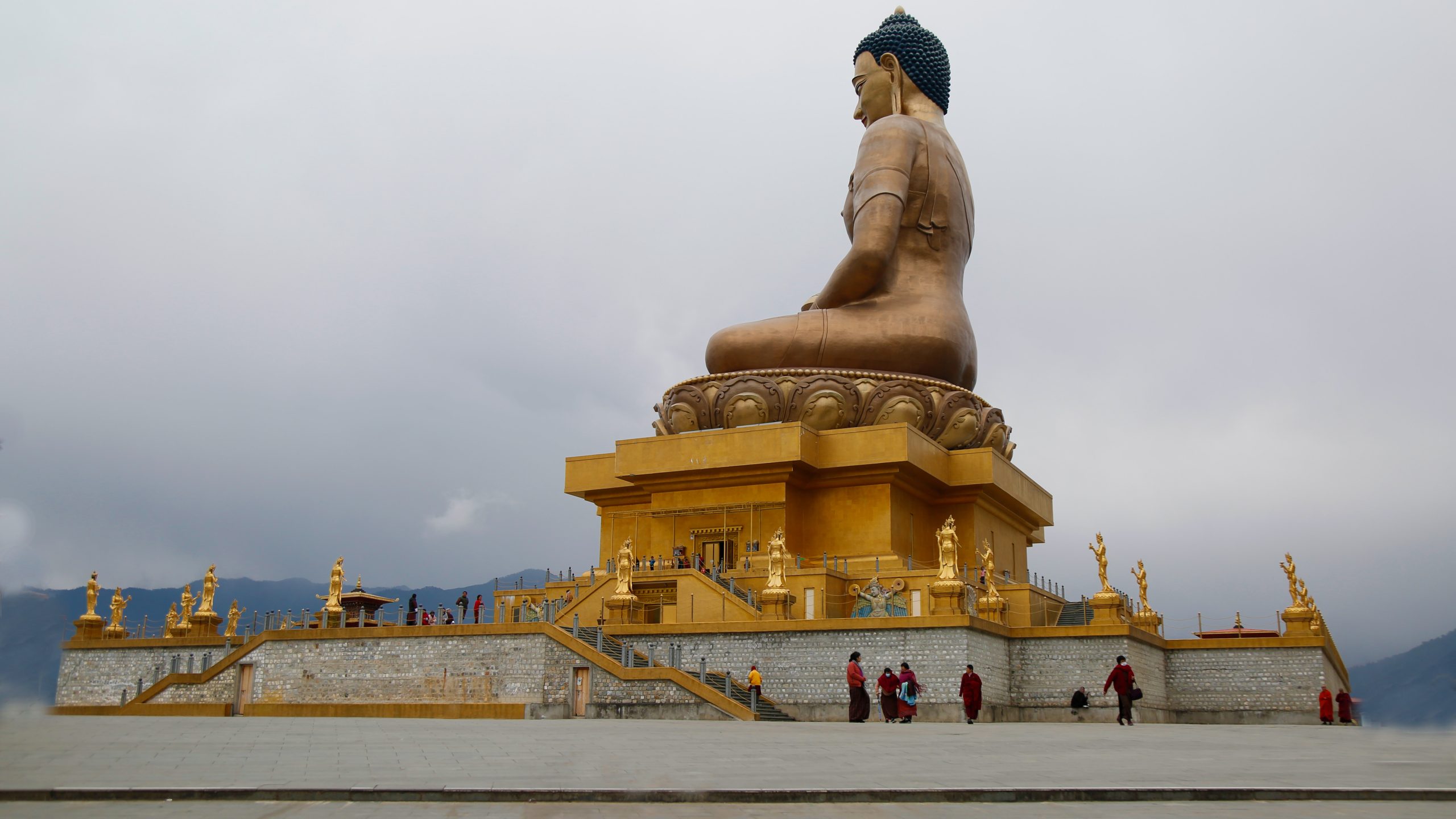
Thimphu Bhutan
Thimphu, Bhutan’s bustling capital, is a unique blend of tradition and modern life. While it serves as the administrative and political heart of the nation, it retains a strong cultural identity with traditional architecture and vibrant customs. Visitors can explore the towering Buddha Dordenma statue, stroll through the Centenary Farmers’ Market, and visit institutions like the Folk Heritage Museum and the National Institute for Zorig Chusum (Traditional Arts and Crafts). Despite being the largest city in Bhutan, Thimphu offers a peaceful atmosphere, set against a backdrop of forested hills and mountain views.
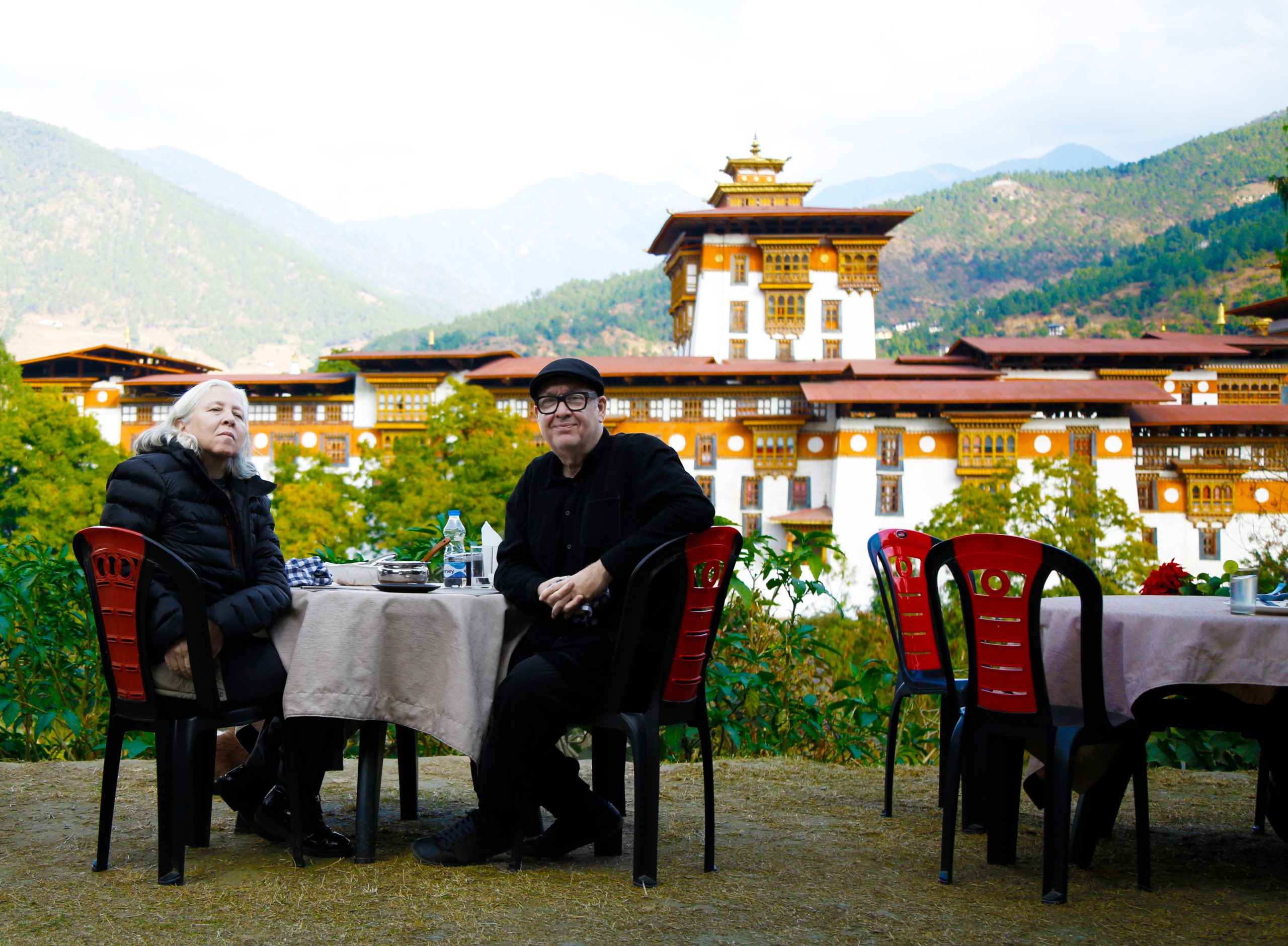
Punakha Bhutan
Punakha is famed for its stunning Punakha Dzong, considered one of the most beautiful fortresses in Bhutan, strategically positioned at the confluence of the Pho Chhu and Mo Chhu rivers. Once the country’s capital, Punakha holds historical significance as the site where many of Bhutan’s kings were crowned. The valley’s warm climate allows for lush rice fields and blooming jacaranda trees in spring, creating a picture-perfect setting. Visitors can also enjoy walks to the charming Chimi Lhakhang, known as the Temple of Fertility, and explore the region’s peaceful riverside trails.
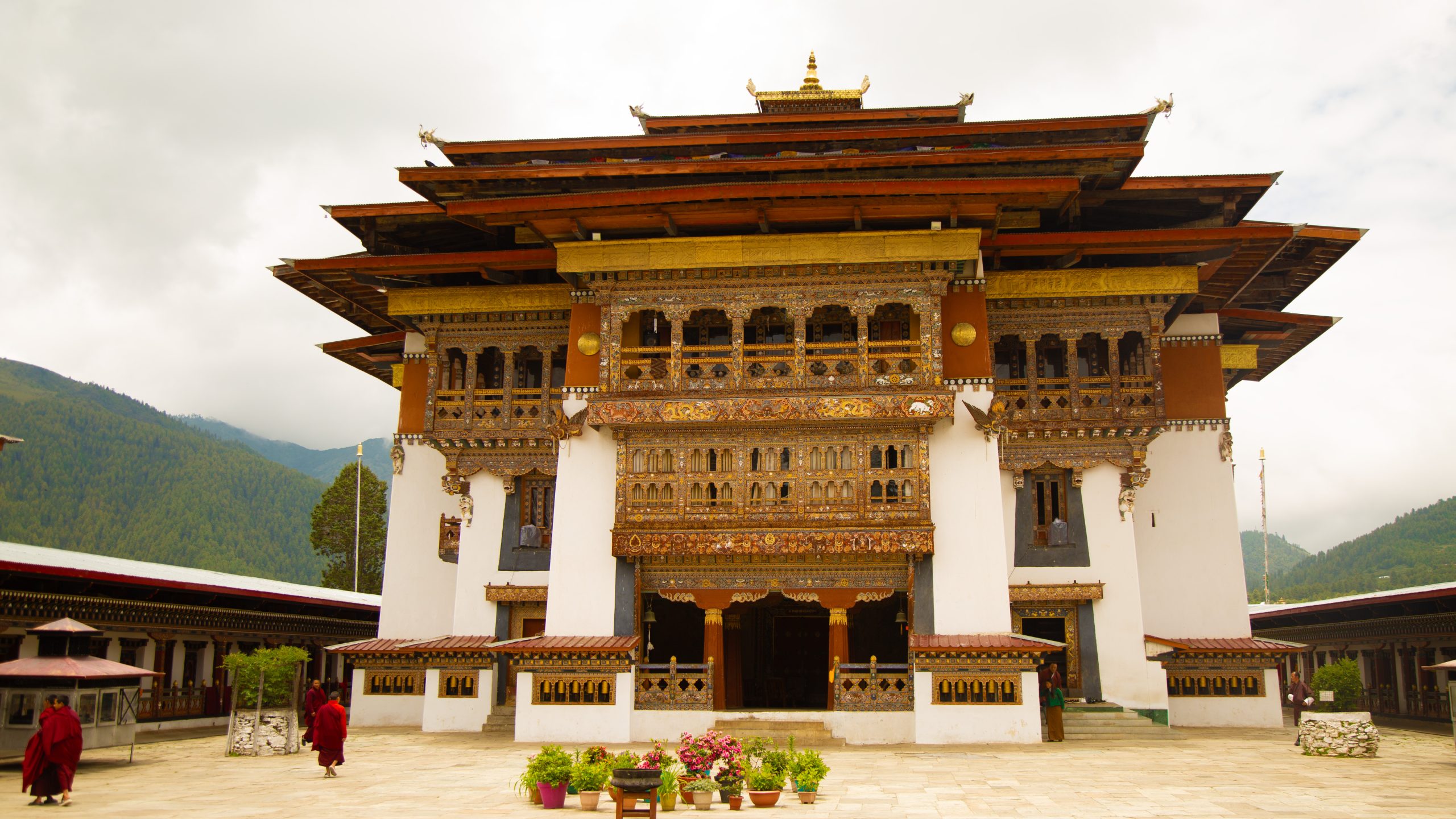
Wangdue Bhutan
Wangdue Phodrang serves as a scenic gateway to central Bhutan, offering rolling hills, fertile valleys, and traditional villages. The Wangdue Phodrang Dzong, perched on a hilltop overlooking the Punatsangchhu River, stands as a symbol of the district’s historical importance. The area is also known for its bamboo work, slate carving, and beautiful highland pastures. Nearby attractions include the picturesque Phobjikha Valley, a winter home to the endangered black-necked cranes. Wangdue’s blend of cultural heritage and natural charm makes it a rewarding stop on any Bhutanese journey.
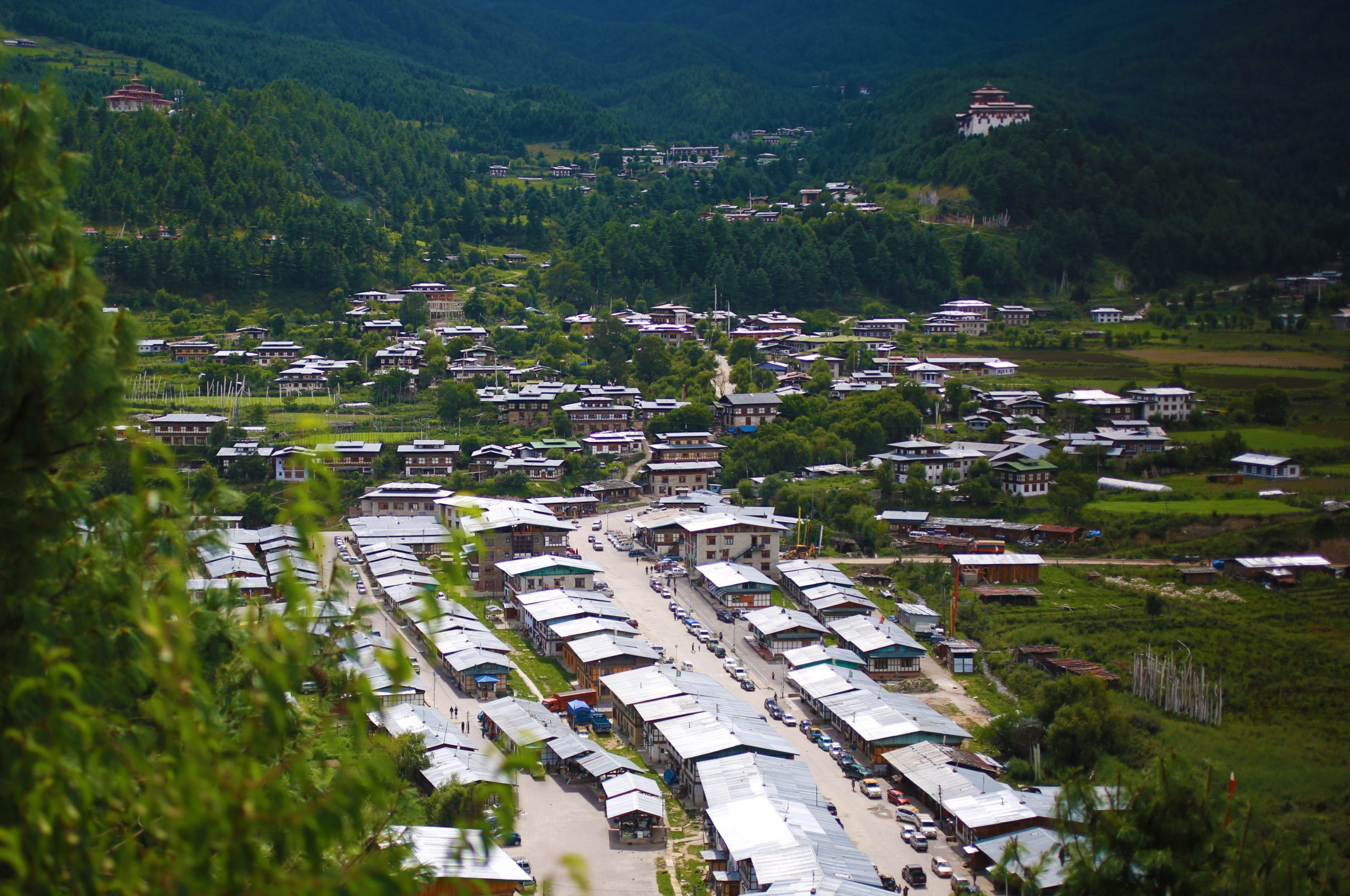
Bumthang Bhutan
Bumthang is often referred to as the spiritual heart of Bhutan, home to some of the country’s oldest and most sacred temples and monasteries. The region comprises four picturesque valleys—Chokhor, Tang, Ura, and Chhume—each offering its own unique charm. Highlights include Jambay Lhakhang, Kurje Lhakhang, and Tamzhing Monastery, which are deeply intertwined with Bhutan’s Buddhist history. The fertile valleys produce buckwheat, dairy products, and the famous Bumthang honey. With its rich heritage, spiritual significance, and serene landscapes, Bumthang is a must-visit for cultural travelers.
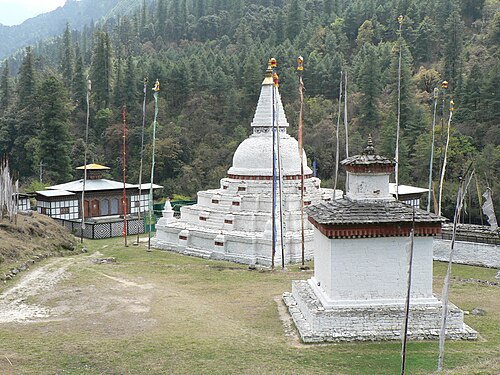
Trongsa Bhutan
Perched on a steep ridge, Trongsa offers panoramic views of the surrounding valleys and mountains, making it one of the most strategically important towns in Bhutan’s history. The Trongsa Dzong, an architectural masterpiece, dominates the landscape and once served as the seat of power for Bhutan’s rulers. Its location in central Bhutan made it a key point for controlling east-west travel in centuries past. Visitors can also explore the Trongsa Tower Museum, which houses a rich collection of artifacts and tells the story of the Wangchuck dynasty.
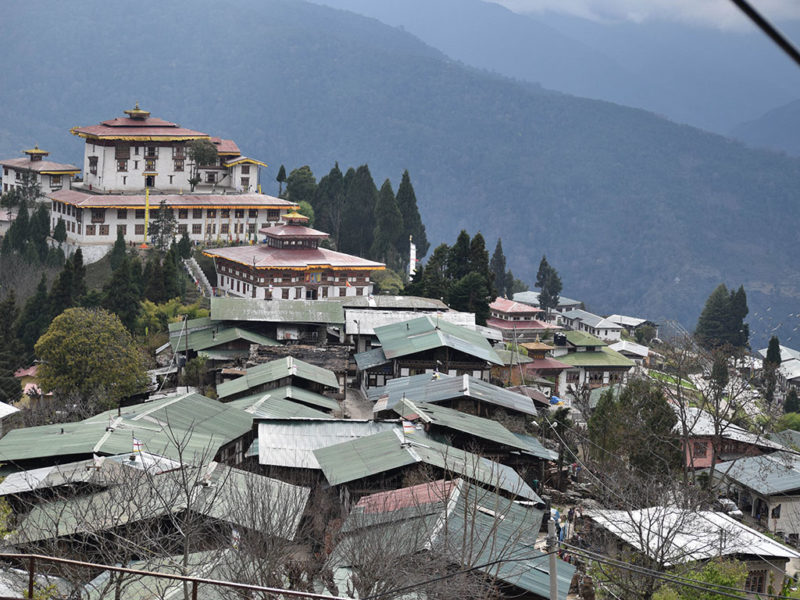
Zhemgang Bhutan
Zhemgang is a hidden treasure in south-central Bhutan, offering unspoiled natural beauty and an authentic glimpse into rural life. Known for its biodiversity, the region is home to rare wildlife such as the golden langur and black-necked crane. The lush forests and rivers provide opportunities for birdwatching, trekking, and cultural interactions with local communities. Unlike more frequented tourist areas, Zhemgang remains largely untouched, allowing visitors to experience the raw beauty of Bhutan in a tranquil setting.